
About the Canary Islands
Welcome to our comprehensive Canary Islands travel guides. This volcanic archipelago in the Atlantic Ocean is a paradise of incredible contrasts, offering everything from otherworldly lunar landscapes and dramatic hiking trails to crystal-clear diving spots. As independent travel journalists, we have spent months exploring these islands, including first-hand experiences of bringing our motorhome here by ferry.
Whether you are planning an epic road trip, searching for the best hiking in La Gomera, or looking for insider tips on Lanzarote and Gran Canaria, our expert travel advice and professional photography will help you discover the true magic of the Canary Islands beyond the usual tourist resorts.
Our Experience of the Canary Islands and Why We Love It
Our first stop in the Canary Islands was Lanzarote, an island we quickly realized was underrated compared to its bigger siblings, Gran Canaria and Tenerife. Since then we’ve kept coming back.
On Lanzarote, we rode a bus through Timanfaya National Park and watched water flash-boil out of the ground, ate meat cooked over actual volcanic heat, and hiked up Montaña Bermeja on La Graciosa in flip-flops (do not recommend). We also traced César Manrique’s footsteps around the island, including the house he built in Haria — reportedly Nobel laureate José Saramago’s favorite spot on the whole island.
La Gomera turned into the island we ended up writing the most about. We learned to (sort of) understand Silbo, the island’s whistling language, hiked through the UNESCO-listed Garajonay National Park, stayed in a cozy home in Valle Gran Rey, and worked our way through the local restaurant scene one plate at a time.
Fuerteventura surprised us with Popcorn Beach — yes, the sand really does look like popcorn — and with La Pared, a base popular with Swedish and German visitors looking for an active holiday.
And in Gran Canaria, we found out it’s quietly become a hub for digital nomads, complete with its own conference, and we spent an evening watching a film outdoors at the Moonlight Cinema in Maspalomas. And how about the beautiful beaches
This is our still-growing collection of Canary Islands guides, built one island at a time, with more on the way.
Best time to visit the Canary Islands
The Canary Islands boast an incredible geographical diversity that will leave any traveler in awe. From volcanic peaks to lush forests and sandy beaches, the islands have it all. One of the most iconic landmarks is Mount Teide, the highest peak in Spain and the third-largest volcano on Earth when measured from its base. Its summit offers an otherworldly experience, often above the clouds.
Thanks to their proximity to Africa, the Canaries enjoy a mild climate throughout the year. The pleasant temperatures make these islands an ideal destination regardless of the season. It’s a true year-round paradise, where you can escape the harsh winters of northern Europe and bask in the sun.

What to Expect from the Canary Islands

Language
The official language in the Canary Islands is Spanish. Most Spanish people speak English so there’s no problem with the communication when visiting the islands.

Currency
The currency in the Canary Islands is the Euro.
It is useful to carry small amounts of cash (€20–€50) for local markets, small cafes, buses, or tips.

What to buy in the Canary Islands
Prints by the artist Cesar Manrique. Cheese, honey, and wine that is locally produced on the islands.

Other information about the Canary Islands
The proximity of the islands makes it easy to explore multiple destinations during a visit to the Canary Islands. Each island has its own unique charm and attractions, and hopping from one island to another allows visitors to experience the diverse landscapes, cultures, and activities that the archipelago has to offer.
Destinations
Fuerte ventura
Lanzarote
Gran Canaria
La Gomera
All articles from the Canary Islands
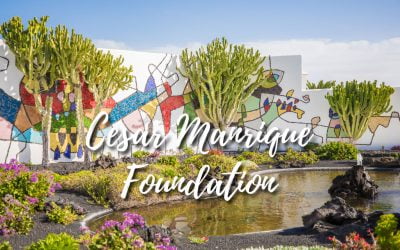
Cesar Manrique Foundation – Things to do in Lanzarote
Cesar Manrique Foundation is an amazing place not only for artists but also visitors. A lot of people that come here mistake this place as Cesar Manrique's home and that is not...

Cesar Manrique house museum in Haria – Things to do in Lanzarote
Cesar Manrique house museum, not to be confused with Cesar Manrique Foundation. This is the place where Cesar Manrique lived up until his tragic death in 1992. And what is...

Timanfaya national park – Things to do in Lanzarote
Timanfaya National Park is the most popular tourist attraction in Lanzarote. For some reason, there is a lot of confusion about what this place is and how, and what, you visit...

El Diablo Restaurant – Eat food cooked from a volcano
El Diablo Restaurant must be one of the most unique restaurants in the world! Why? Because this is the only place in the world where you can eat food that has been cooked over...
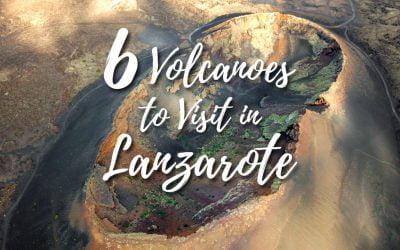
Visit Volcanoes in Lanzarote – Things to do in the Canary Islands
Visit Volcanoes in Lanzarote. Does that sound tough and hard? Well, some of them are quite a bit of a climb. We have been there and done that so we have several different...

Casa Museo del Campesino – Things to do in Lanzarote
Casa Museo del Campesino. Remember that name. If you have a tight schedule while in Lanzarote but you still want to experience as much as possible - you need to go here. This is...

A Casa Jose Saramago – Things to do in Lanzarote
A Casa Jose Saramago. Or the house of books would be an even better name for this place. Whether you are a huge Saramago fan or if you never heard of him - this place is still...

Castillo de Santa Barbara – Things to do in Lanzarote
Castillo de Santa Barbara. Not to confuse with the Santa Barbara Castle in Alicante. This place is a pirate museum - yes you read it right - a pirate museum! We went there to...
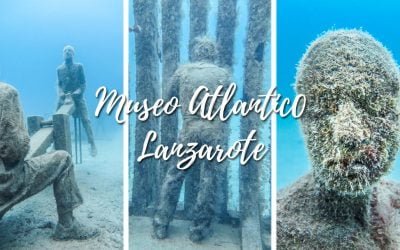
Museo Atlantico – A must for divers in Lanzarote
Museo Atlántico. The first underwater art museum in Europe. And like most of the museums, there is a story that is told here. A really interesting one. Join us as we explore the...